
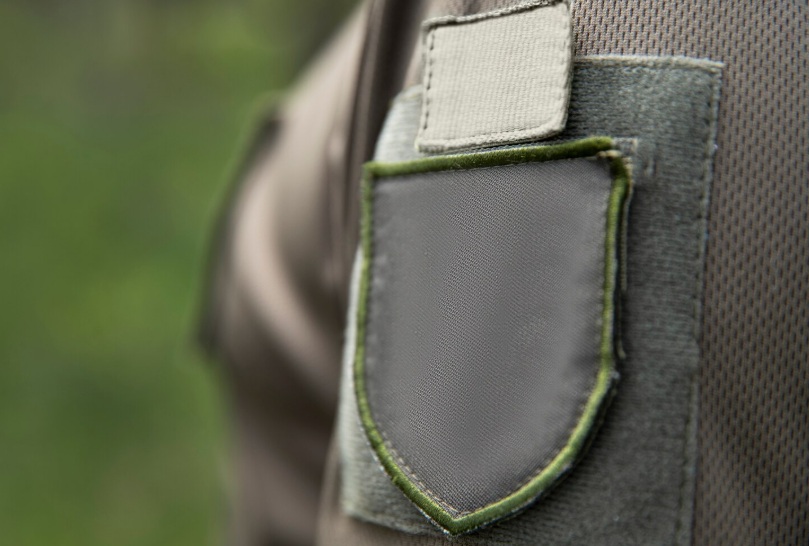
How Velcro Patches Turn Uniforms into Statements
Fed up with the usual stiff corporate attire? See how Velcro patches help people easily change their identity, show off their accomplishments, and update their logos on their clothes without ruining them.
How Velcro Patches Create Strong Visual Identity
Uniforms are no longer just about identifying a team or organisation. They have become a vital component of branding and workplace culture, and a personal expression.
Whether it’s a sports team, a corporate group, or a community organisation, today’s uniforms have a purpose beyond just being functional.
Personalisation is one of the most significant trends of recent years.
Companies and other institutions are looking for uniforms that represent identity, professionalism, and creativity. With this change, design details are now more crucial than ever. Minor details can make a big difference in the impression a uniform creates.
This is where Velcro patches are transforming the game. They provide flexibility, enable rapid change, and provide a modern method to refresh uniform identity without a complete redesign.
Flexible Branding Enhances Team Identification And Recognition
Brand identity is no longer simply equated with a logo; it’s about the consistent, effective communication of that brand across various settings.
In workplaces that have to deal with the public on a daily basis, uniforms make a significant contribution to that visibility.
Design flexibility enables businesses to remain professional and provide variation as required. It also makes teams feel more connected to the organisation, as their uniforms aren’t just generic; they’re intentional.
Custom embroidery patches are often added as a way to strengthen brand identity, giving it a more lasting and higher-quality overall appearance.
These patches can enhance the visual presence of an organisation, making it appear professional and enduring, particularly in areas that are visible to customers.
Why Durability and Practicality Matter
Working environments can be tough on uniforms. Materials and design elements must be durable in response to heat, outdoor elements, and physical activity.
This is why durability is an important factor in modern uniform design. Organisations are now focusing on materials and attachments that will not degrade with repeated use.
In construction, agriculture, transport, emergency sector, practical design is particularly crucial. In these industries, uniforms should be practical yet still look professional.
Designers are now incorporating durability with style to ensure that uniforms are not only strong but also look good for a long time.
Visual Branding Helps Organisations Stand Out In Crowded Industries
The world is a competitive place, and one has to stand out. For both small and big organisations, visual identity is very important for recognition.
Uniforms act as moving advertisements. Every interaction, whether face-to-face or through the website, is a branding opportunity. A clear and consistent visual design makes organisations identifiable and memorable.
Good uniform branding also helps to develop trust. A consistent and professional business appearance instills trust in customers. This is especially crucial in service-based businesses, where first impressions do count.
With a strong visual identity, even basic uniforms can be effective branding tools that build reputation and recognition over time.
Small Design Details Make A Big Visual Impact
People don’t see each detail of a uniform separately. Rather, they make a snap judgment on color, texture, and tiny visual details.
Clean branding elements convey professionalism, a focus on detail, and an organisation’s pride. They also aid in differentiating one team from another, particularly in congested or competitive settings.
Many designers include custom woven labels in uniforms to enhance the overall durability and presentation of the garment, giving it a more professional and well-crafted appearance.
These subtle elements are increasingly significant where branding is expected to be more stringent in the corporate and creative sectors. Community organisations are now putting more effort into presenting themselves in the same way, as it represents their values.
Why Adaptability Is The Focus Of Modern Uniform Design
The most significant change in uniforms is moving towards versatility. Organisations don’t want static uniforms that don’t change for a number of years. Rather, they go for elements that are adjustable, changeable, and can be updated during the special seasons of the year.
Flexible uniforms are particularly advantageous for companies that have several departments or roles. They can help keep teams synchronised and still reflect the responsibilities they have.
This also helps to control long-term expenses, as uniforms don’t need to be replaced completely. It’s a more efficient and eco-friendly solution for both branding and functionality.
How Professional Finishing Improves Perceived Quality
The finishing of a uniform can make a huge difference in how it’s interpreted. The clean stitching, excellent placement of design elements, and materials are all contributing to a more professional look.
Care and reliability are reflected in attention to finishing details. It demonstrates that the organisation cares about presentation and uniformity, and that can lead to increased client and customer trust.
For many organisations, professional finishing is no longer a luxury; it’s a requirement.
Improvements in uniform presentation, even minor ones, can have a big impact on brand perception. That’s why more organisations are focusing on design improvements that enhance both beauty and durability.
Customisation Builds Stronger Emotional Connection In Teams
Uniforms are more than visual instruments; they affect people’s attitude to their role.
Team members will feel more confident and connected when they wear uniforms with custom Velcro patches. These patches help teams feel valued and can result in greater teamwork, identity, and morale in the workplace.
For some industries, such as sports, education, and events, uniforms are an important aspect of group identity. People who feel connected to their clothing will be proud and responsible representatives of their organisation.
Benefits of Velcro Patches
The use of Velcro patches for modern uniforms is a practical, flexible, convenient, and easily customisable solution without any permanent stitching solutions.
Key Benefits:
- No tools required to attach or remove.
- Supports rapid, consistent changes to roles or uniform
- More economical than permanent embroidery
- Supports reusable and interchangeable designs
- Ensures a neat and professional uniform appearance
These are particularly beneficial for organisations that require versatile branding strategies, ensuring consistency and providing flexibility in both function and aesthetics for various roles and situations.
FAQs
What is the best way to wash a uniform that has Velcro patches on it?
Take the patches off before washing, or fully close up all fastenings and wash inside out to avoid fraying.
Are custom embroidered patches interchangeable with other uniforms?
Yes, the hook-and-loop system does let you take off a patch from one uniform and press it onto another at the same time.
How is hook and loop different from sew-on badges?
They are highly versatile and can be changed for a different look, rank, or for professional branding without harming the underlying fabric of the uniform.
Are Velcro patches durable when used in heavy physical or outdoor use?
Quality patches are extremely durable and will give you a solid, secure hold when you’re on the move in rough conditions.
How these patches can help enhance team morale and professional identity?
They provide an opportunity for employees to show off personal accomplishments, certifications, or unique designs, making a normal uniform look individualized.
Conclusion
While uniforms may appear simple, they hold a deeper significance in the way that organisations are represented. From structure to colour, finishing to flexibility, each detail adds to a brand’s perception.
The present design solutions reveal that even minor adjustments can make a significant impact.
Flexible systems, high-quality materials, and clever branding all contribute to uniforms that are both functional and meaningful.
However, with a focus on adaptability, identity, and presentation, organisations can turn uniforms into a powerful tool for enhancing recognition, trust, and team connection.

As the author of australiapatches.com.au, I provide useful information about patches, printed, embroidered, and PVC patches, as well as market trends and practical uses. With a hands-on approach and an Aussie perspective, I help readers choose quality solutions, understand materials, and navigate suppliers with confidence, clarity, and honest advice. Tailored guidance for Australian companies and artists.